

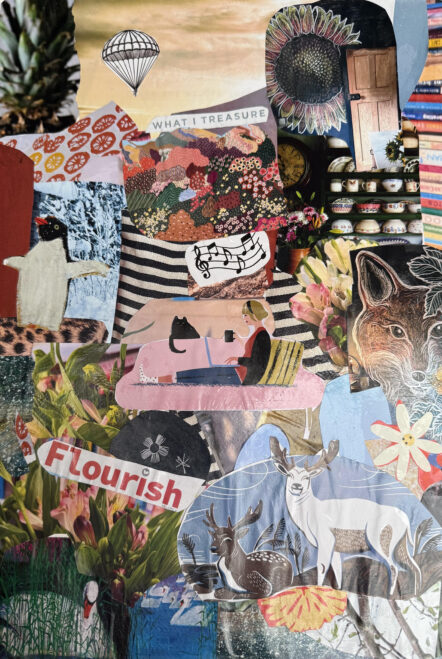
There is a particular pleasure in a book you can read in a single sitting. The chapbook — that slender, stitched, often hand-finished object of twenty or thirty pages — has always understood this. It asks for an evening, not a fortnight. It fits in a coat pocket. It can be made on a kitchen table and sold at a reading for the price of a pint.
For most of the last century the chapbook was treated as an apprenticeship: a way for a poet to gather a first sequence before the “real” work of a full collection. Lately, though, something has shifted. Poets well into established careers are returning to the form, not as a stepping stone but as a destination.
A form that rewards constraint
Part of the appeal is economic — small presses can make a beautiful chapbook for a fraction of the cost of a perfect-bound collection. But the deeper draw is aesthetic. A chapbook cannot hide a weak poem behind thirty stronger ones. Every page has to earn its place.
A chapbook is the most honest thing a poet can make. There is nowhere for a bad line to hide.
Susan Sims, founding editor
That honesty is contagious. Reading a good chapbook, you feel the poet has shown you exactly what they meant to, and not a word more. It is the difference between a letter and a leaflet.
Reading aloud, again
The chapbook’s revival has tracked, almost exactly, the revival of the live reading. A pamphlet is the perfect souvenir of an evening — small enough to be signed at the table, cheap enough to be bought on impulse, complete enough to be read on the train home.
Hope is the thing with feathers
— Emily Dickinson 1891
Whatever else changes about how poetry is made and sold, the chapbook seems likely to endure — precisely because it asks so little, and gives back the whole of a poet’s attention in return.